
why give

When healthcare ignored women, we opened a hospital dedicated to them.

Women’s College Hospital was founded over 140 years ago to give women a place to study and practice medicine when no one else would let them in. Our courageous founders were women who refused to accept the status quo, broke down barriers and pushed boundaries to address systemic inequities in health care. This legacy continues
today.

In 1883, women weren’t welcome in medicine. So Dr. Emily Stowe, Canada’s first female doctor, started her own college and trained them anyway. That single act of defiance became Women’s College Hospital, and the same spirit has driven every milestone since.

For 140 years, we haven’t waited for healthcare to include women. Our courageous founders were women who refused to accept the status quo, broke down barriers and pushed boundaries to address systemic inequities in health care. We’ve built the parts that were missing: the first cancer screening clinic for “well women,” the first cardiac program designed for women’s hearts, the first perinatal intensive care unit in the country. Every gap we found, we closed. Every “no” we heard, we answered with a first.

Today, that same legacy lives at Women’s in our care, research, and innovative models that treat equity as more than an afterthought by designing care for every person the system has historically left behind. We are still building what healthcare hasn’t gotten around to yet.

Here's where it started, and what it built.

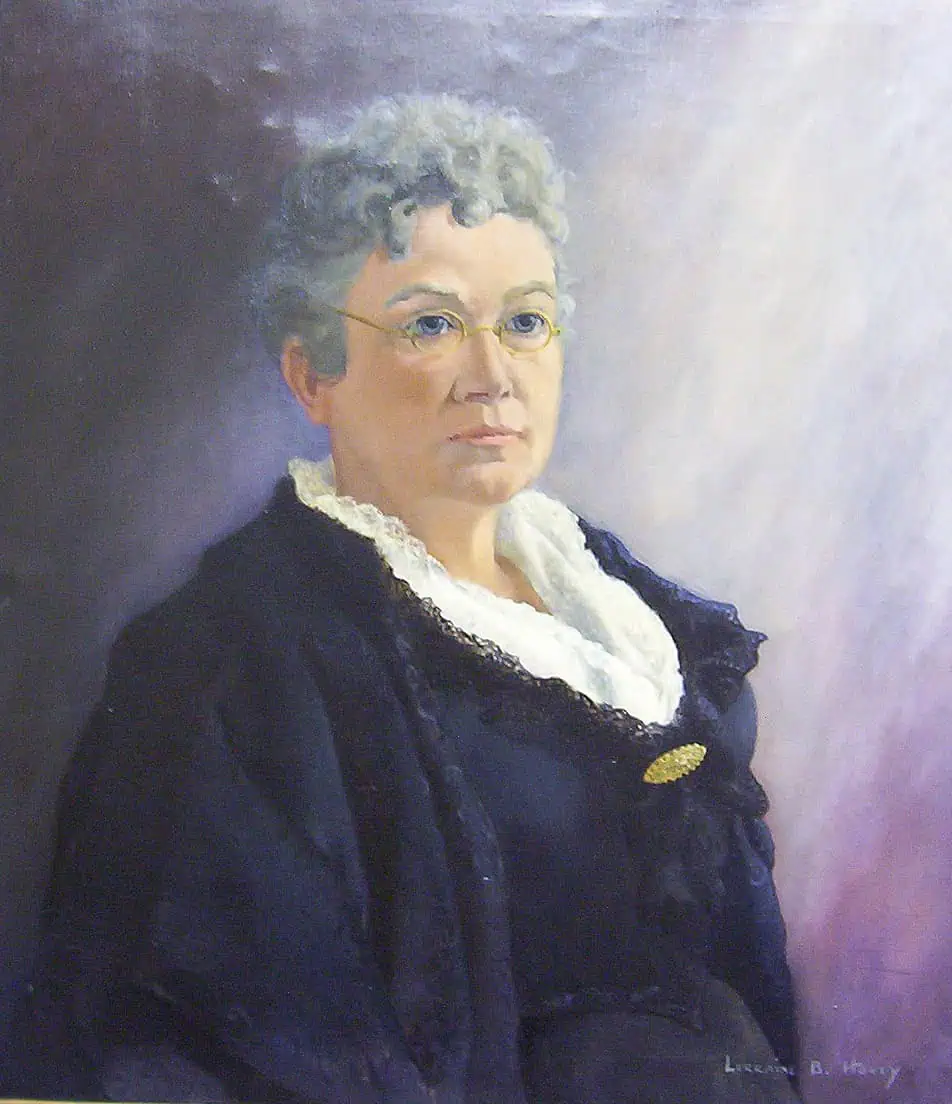
1867

Dr. Emily Stowe becomes Canada's first woman doctor.
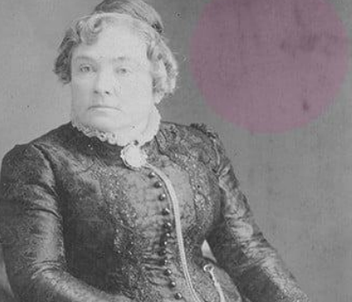
1883

Dr. Emily Stowe helps establish Woman's Medical College in Toronto, opening doors to medical education to women for the first time.
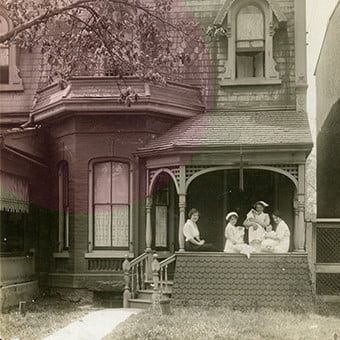
1911

The first hospital opens at 18 Seaton Street with seven inpatient beds. Women's College Hospital becomes Canada's first hospital run by women doctors.
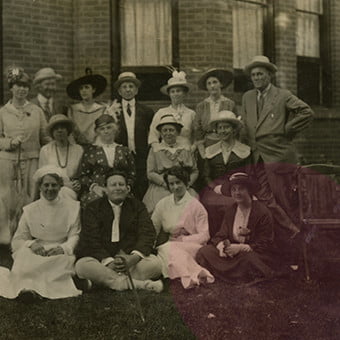
1915

Women's College Hospital and Dispensary officially opens at 125 Rusholme Road.
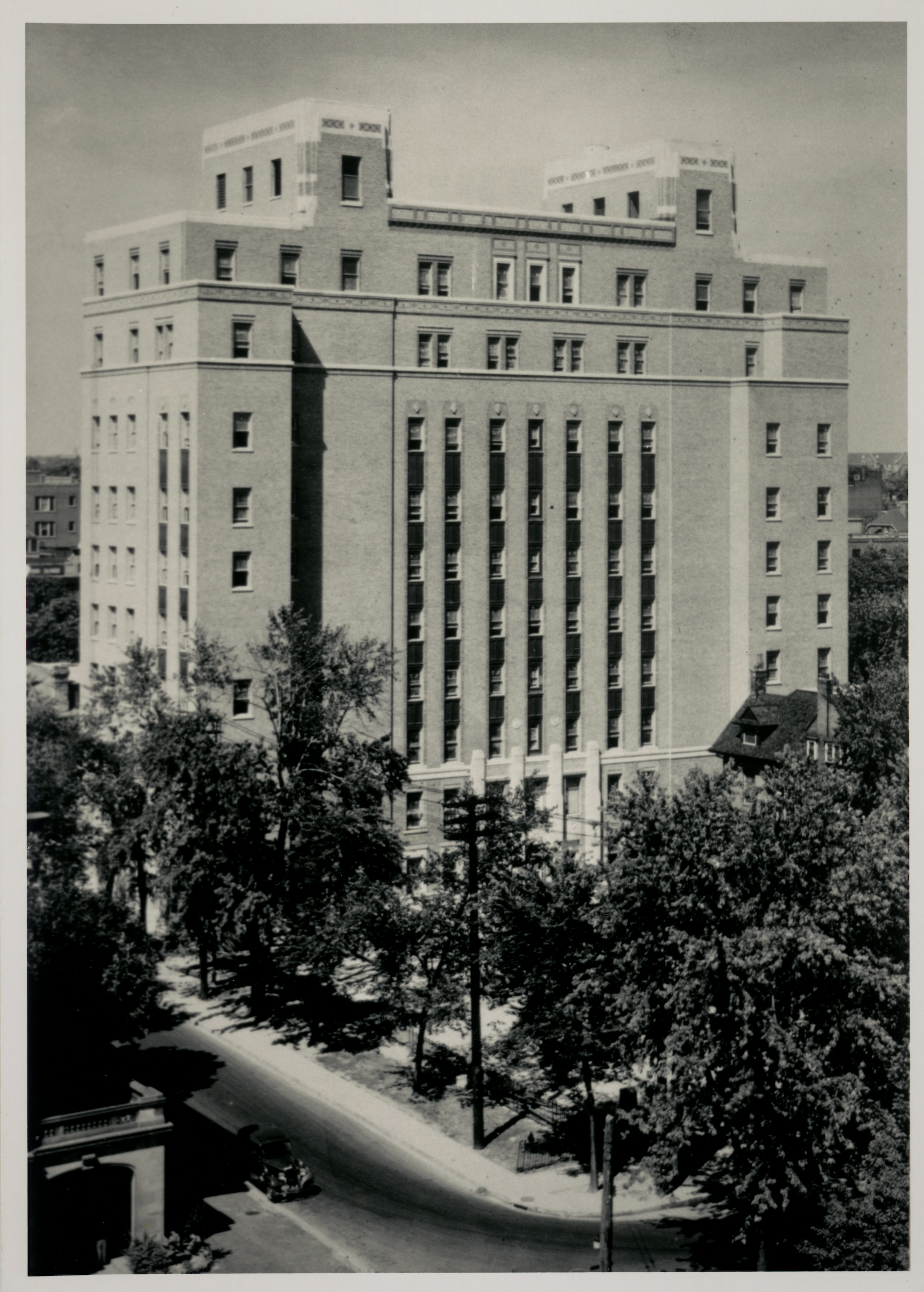
1935

Women’s College Hospital opens its new home at 76 Grenville Street, expanding access to healthcare for women with space for 140 inpatients. 
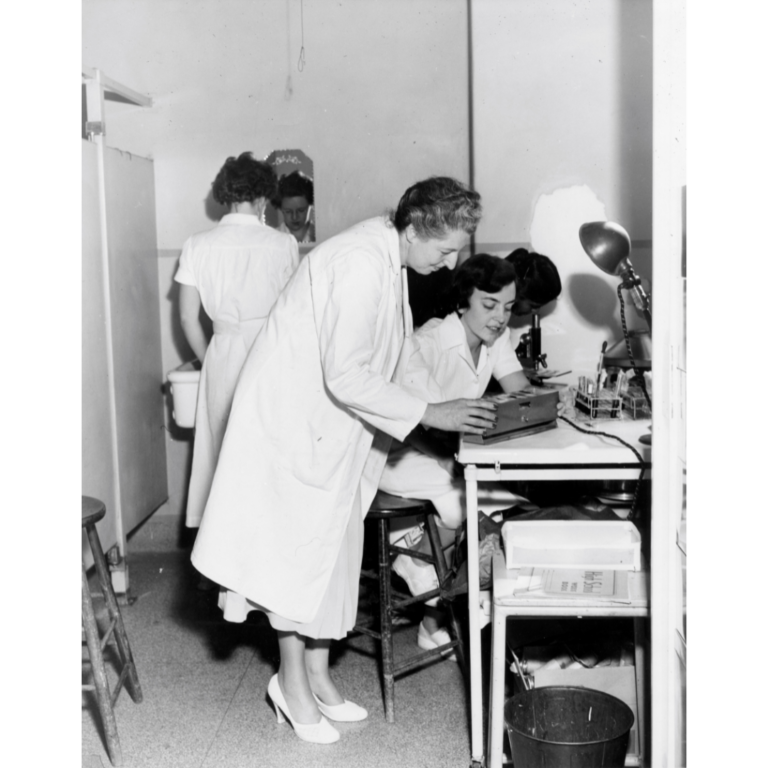
1947

Dr. Marion Hilliard and Dr. Eva Mader Macdonald collaborate on developing a simplified Pap Test for detecting early signs of cancer.
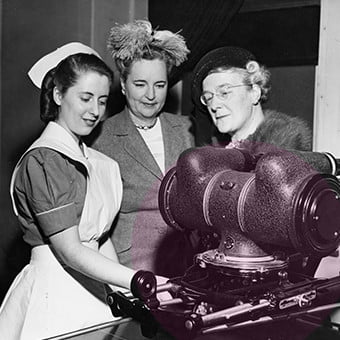
1948

Ontario's first cancer detection clinic for "well women" opens, pioneering early cancer screening.

1961

Women’s College Hospital becomes a fully accredited teaching hospital affiliated with the University of Toronto.

1963

Women’s became the first hospital in Ontario to use mammography for breast cancer detection.
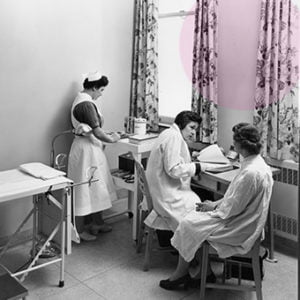
1971

Canada's first Perinatal Intensive Care Unit opens at Women’s College Hospital, along with the Family Practice Health Centre, then the largest in Toronto.
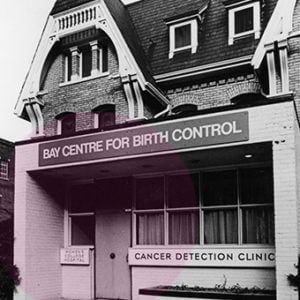
1973

The Bay Centre for Birth Control opens. Dr. Marion Powell becomes its director in 1981.
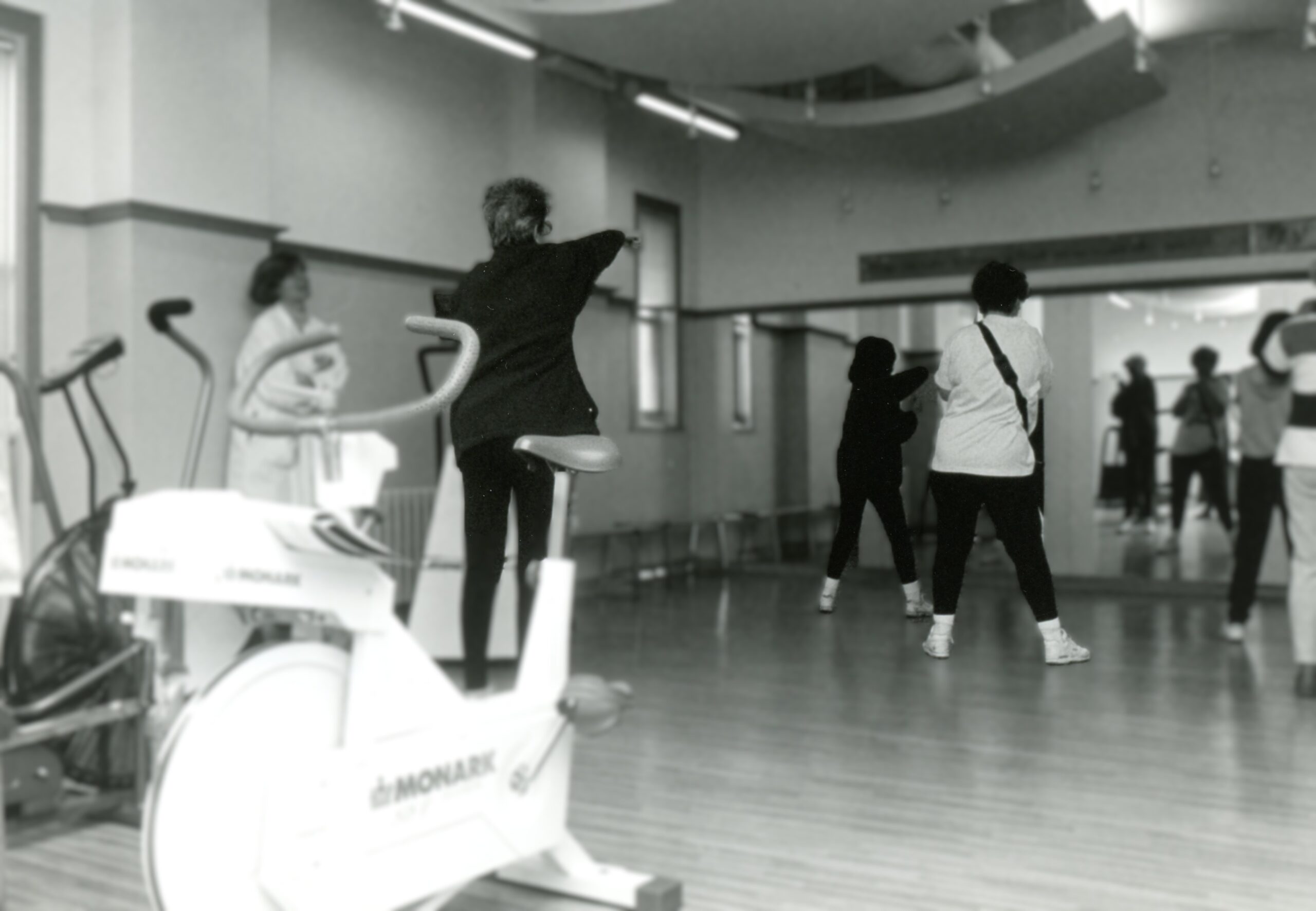
1996

Women’s opens Canada's first cardiac prevention and rehabilitation program designed exclusively for women.

1996

Dr. Steven Narod and researchers at Women’s College Hospital help advance understanding of BRCA1 and BRCA2, helping reshape how hereditary breast and ovarian cancer risk is understood and managed.

2006

Women’s College Hospital begins operating independently under the Public Hospitals Act and the Women's College Research Institute formally launches.

2007

Planning begins for the redevelopment of Women’s College Hospital. 
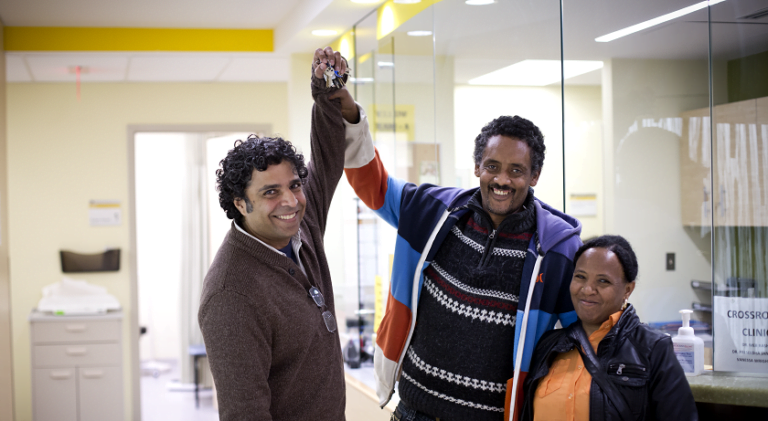
2011

Crossroads Clinic opens, Toronto's first hospital-based refugee health clinic.
2013

The Institute for Health System Solutions and Virtual Care opens. (WIHV).
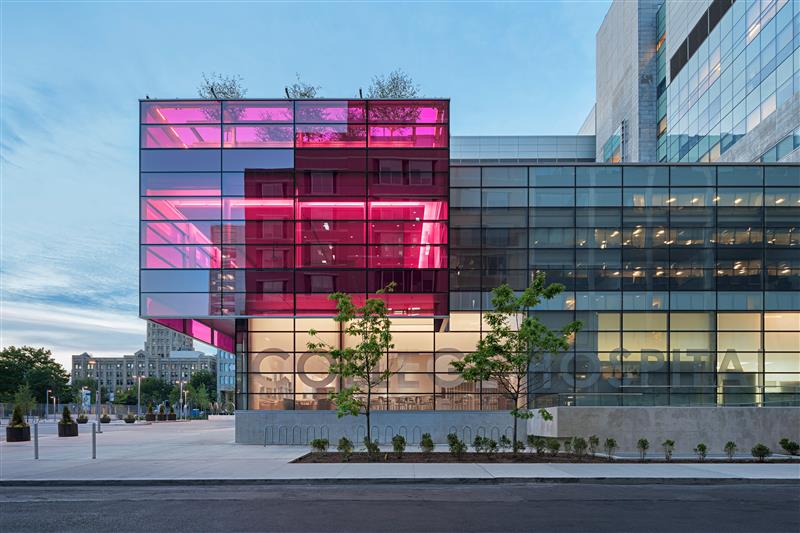
2015

The new home of Women's College Hospital is completed.
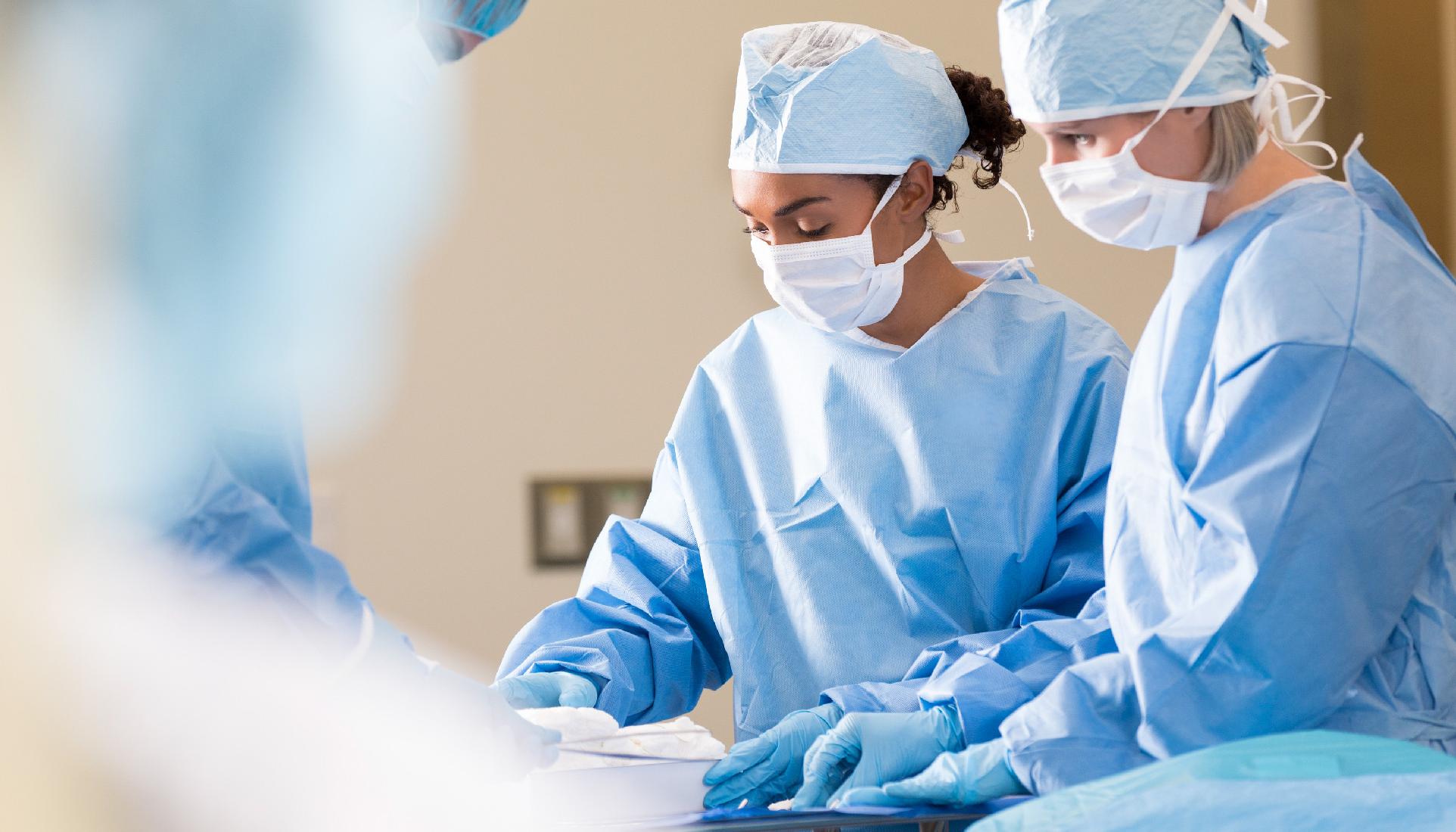
2018

Women’s begins offering same-day joint replacement surgery in an outpatient setting, the first program of its kind in Canada.

2019

Women's Virtual launches at WCH, Canada's first virtual hospital.
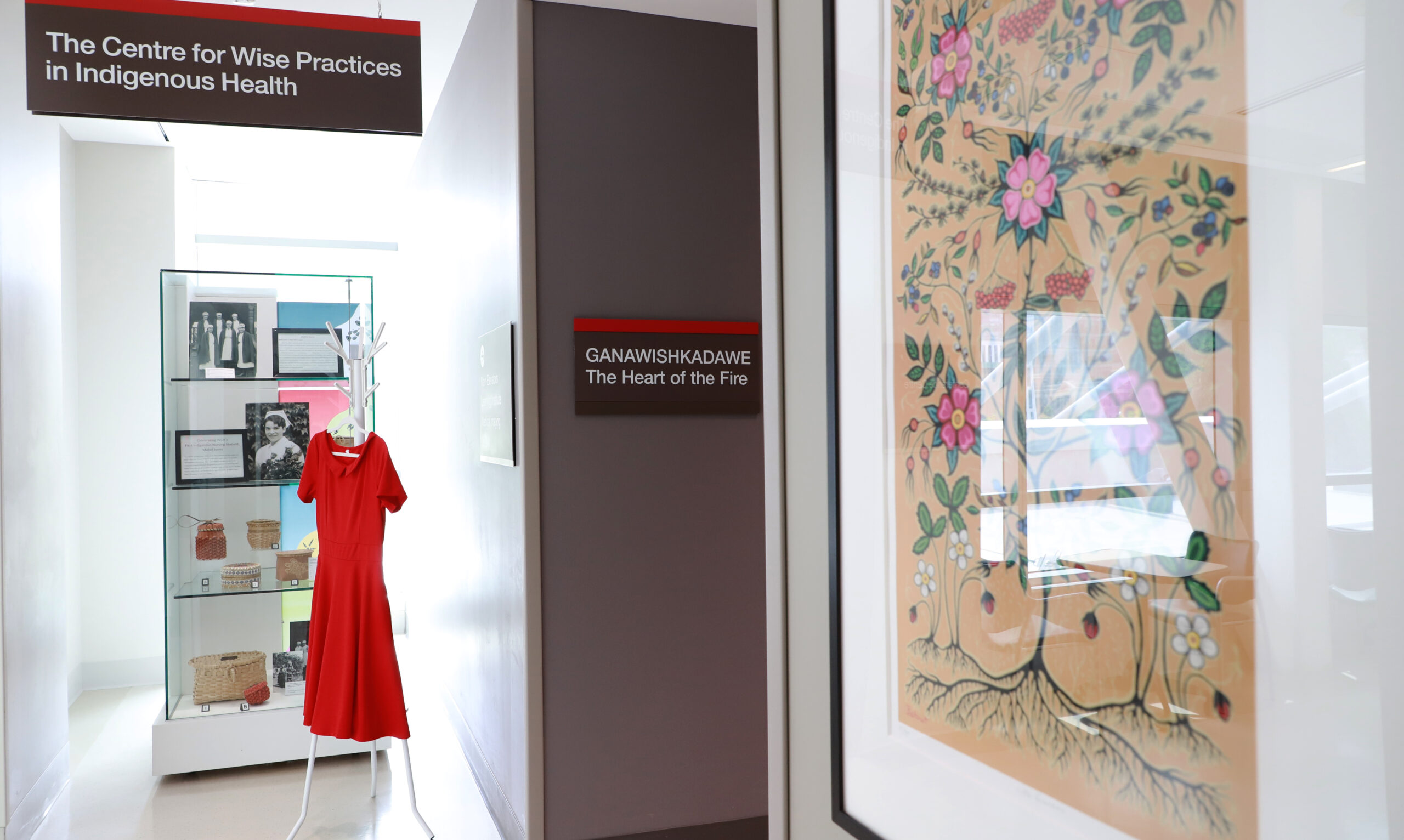
2020

Ganawishkadawe - Centre for Wise Practices in Indigenous Health officially opens, Ontario's first hospital-based centre developing a strategy to incorporate traditional and inclusive Indigenous practices into non-Indigenous healthcare spaces.
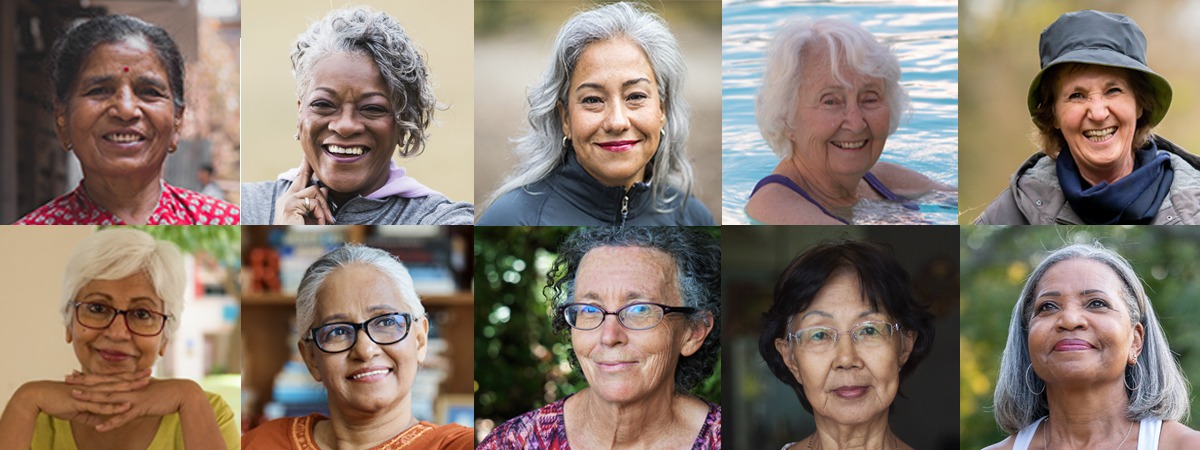
2021

Women's Age Lab opens, the world's first and only centre dedicated to addressing the health inequities faced by older women. 

2026

Women's College Hospital launches Canada's first Centre for Sex and Gender in Health.

The Miss Margaret Robins Archives

As a national historic site, Women’s College Hospital is
proud to preserve the history that has shaped who we are
today.

The Miss Margaret Robins Archives brings that history to life through records, photographs and
artifacts that document the legacy of Women’s and women in medicine.

From 1915-1975, over 1,250 young women came to the Women’s College Hospital School of Nursing with the dream of becoming a nurse. For two to three years, these students trained, lived, and worked together.


Graduates left with a nursing diploma in hand, but more importantly for most of the young women, they left with cherished memories and friendships that would last a lifetime. Memories of the Women’s College Hospital School of Nursing is the story of the school as told by its students through their writings, spoken words and photographs.

Explore the history of women’s volunteer organizations through the Cradle Club of Women’s College Hospital. This exhibit tells the story of how our group of young society girls came together in the 1930s with the mission of improving the quality of women’s healthcare in Toronto. Photographs, memorabilia, and oral interviews provide a fascinating behind-the-scenes at exclusive fundraising events held in the city’s social landmarks.

Explore the challenges faced by trailblazing women from Women’s College Hospital in Toronto and learn more about their contributions to medical research during the first half of the 20th century. Through archival photographs, documents, film and audio interviews, the Women in Medical Research – A History of Innovation exhibition examines their achievements, and presents a new generation of female scientists, while also encouraging young women to consider careers in STEM.

The Future Follows Us.

Help Us Build it.

For 140 years, donor support has turned “someone should do something” into “we did,” and your gift is what makes the next first possible.